
January 26, 2026
Jason Bonnicksen
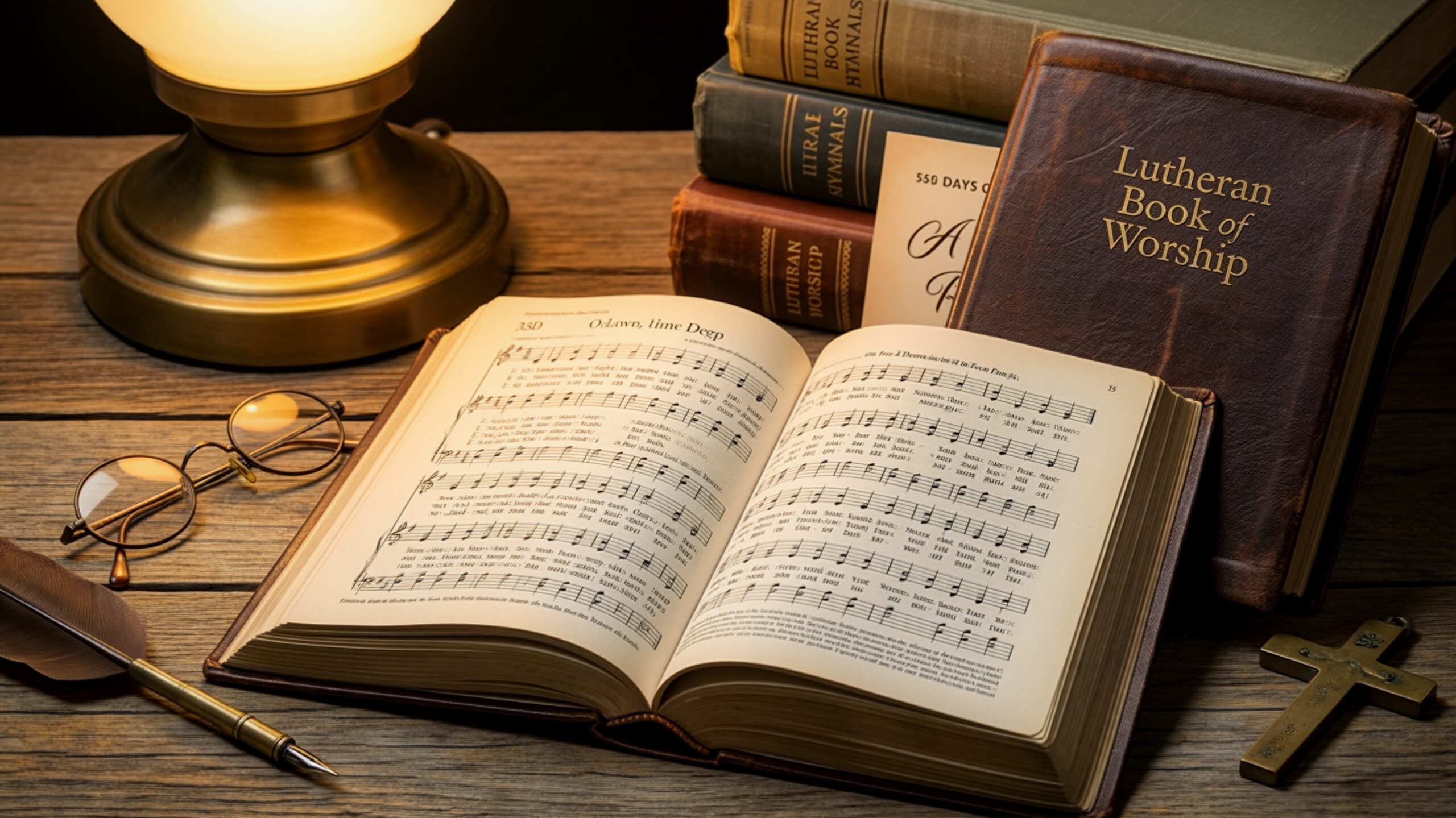
Do you remember being a child and thinking your parents were old, and your grandparents were even older? It seems like just yesterday that those thoughts crossed my mind. Now, the tables have turned: my own children have called me “old,” and they’re not wrong. Time has a strange way of shifting our perspectives.
At 56 years old, with siblings who have entered their 60s, it’s interesting to use 60 as a benchmark. Sixty years ago, it was 1966, and sixty years before that, 1906. It’s remarkable to realize that no one alive today was around in 1906. As of January 26, 2026, the oldest living person is Ethel Caterham from the United Kingdom, born on August 21, 1909. I wonder if Ethel feels her age, or if she feels young at heart.
Even Ethel’s age seems young compared to figures from history. Taking her homeland as an example, 116 years before Ethel was born brings us to 1793. That was just twenty years after John Newton’s famous hymn “Amazing Grace” began circulating—though it wasn’t published in its first hymnal until 1779. At that time, the Colonies were still fighting for independence and the United States was not yet a nation. The depth of history is truly astonishing.
This morning, I decided to explore our Lutheran Book of Worship (LBW) while researching for the church’s monthly newsletter. My curiosity led me to search for the oldest hymn in our hymnal. The LBW features extensive indexes—by theme, lyricist, composer, and meter—but does not provide an index by date. To find the answer, I reviewed each page and noted the dates of the oldest hymns.
This year’s Lenten series centers on Hymn No. 88 in the LBW: “O Love, How Deep,” written by Thomas à Kempis roughly 250 years before John Newton’s birth. It stands among the oldest hymns in our collection. Of the 547 standard hymns (excluding canticles), only 51 were written before Martin Luther’s birth in 1483. Even “O Love, How Deep” is not the oldest; “O Gladsome Light” holds that distinction, believed to have been composed in the 3rd century—over 1,100 years before Thomas à Kempis. In fact, nine other hymns predate Thomas’s work by a millennium. The LBW’s collection reveals a truly remarkable and rich history.
As I reviewed each hymn and recorded their dates, I found myself thanking the Lord for the rich history of hymn writers since the time of Christ. The preservation of so many hymns is, in itself, amazing. Though I don’t feel old, aging has made me more appreciative of the church’s hymnary—the universal church included. Many Christians today in America have moved away from traditional hymns in favor of modern music. I once preferred contemporary styles myself, but returning to my roots has revealed the richness and depth of older hymns, crafted by those who focused on God rather than themselves. That is truly something to celebrate and thank the Lord for.
I am not criticizing modern songwriters or their devotion to God. However, when comparing today’s music to the works of John Newton, Martin Luther, Thomas à Kempis, or Ambrose from the 4th century, modern songs often lack the same depth. I am grateful for the repository of rich music that has been preserved, allowing us to worship the Lord with these timeless hymns.
Heavenly Father, thank you for the remarkably rich history found within the Lutheran Book of Worship. May we never forget the men and women who lifted their hands in praise and recorded their songs, so we, too, may worship you.